Montreal Day Tours
I’m Serious Day Tour Man AI, your day trip expert. Ask me anything — where to go, how to get there, and what’s actually worth your day.
Montreal’s day-trip menu is bilingual, seasonal, and delicious. The most European city in North America sits three hours downriver. Wine country rolls through the Eastern Townships an hour southeast. And from late February to April, the region runs an institution that exists almost nowhere else on earth: the sugar shack, where maple season is a cuisine, a party, and a family obligation rolled into one.
The seasons don’t shrink the options here. They rotate them. Summer opens the lakes and terrasses, fall colors the Townships, and winter — which Montreal genuinely embraces — brings Carnaval, canal skating, and the sugar shacks.
Here’s what’s worth a day, with real times and honest trade-offs.

Popular Day Trips
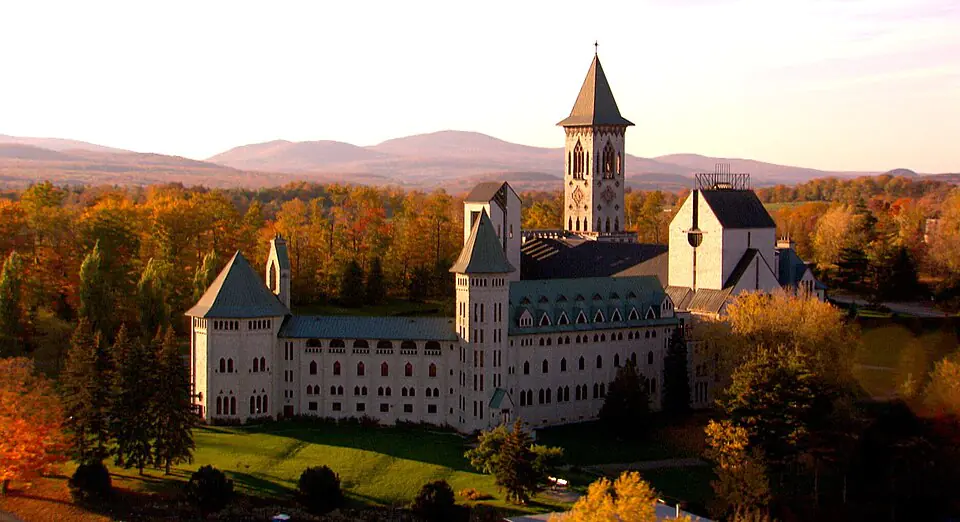
Eastern Townships
Wine-Route Driving, an Abbey That Sells Its Cheese
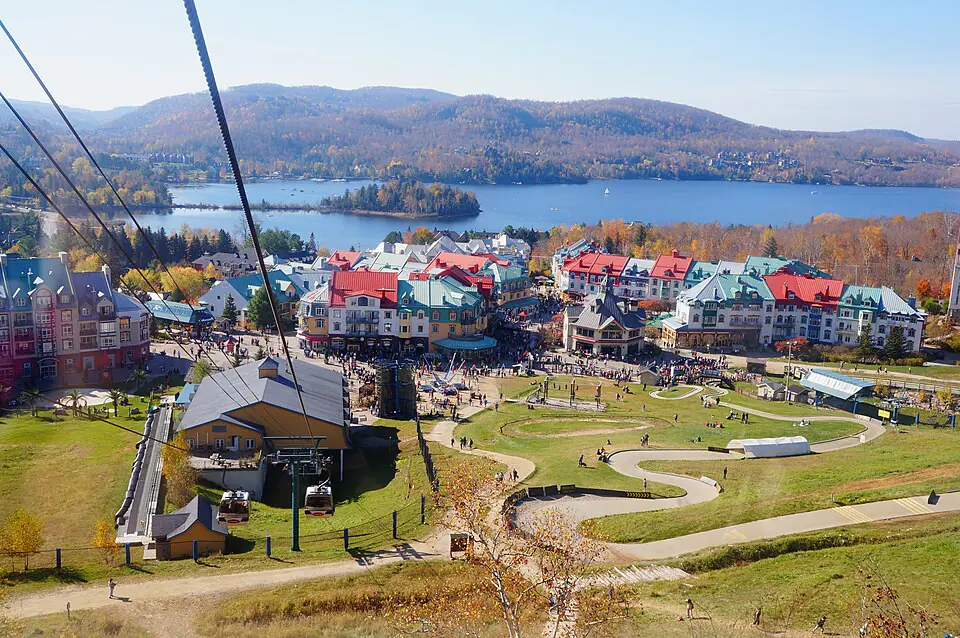
Mont-Tremblant
The Two Tremblants, the Fall Traffic
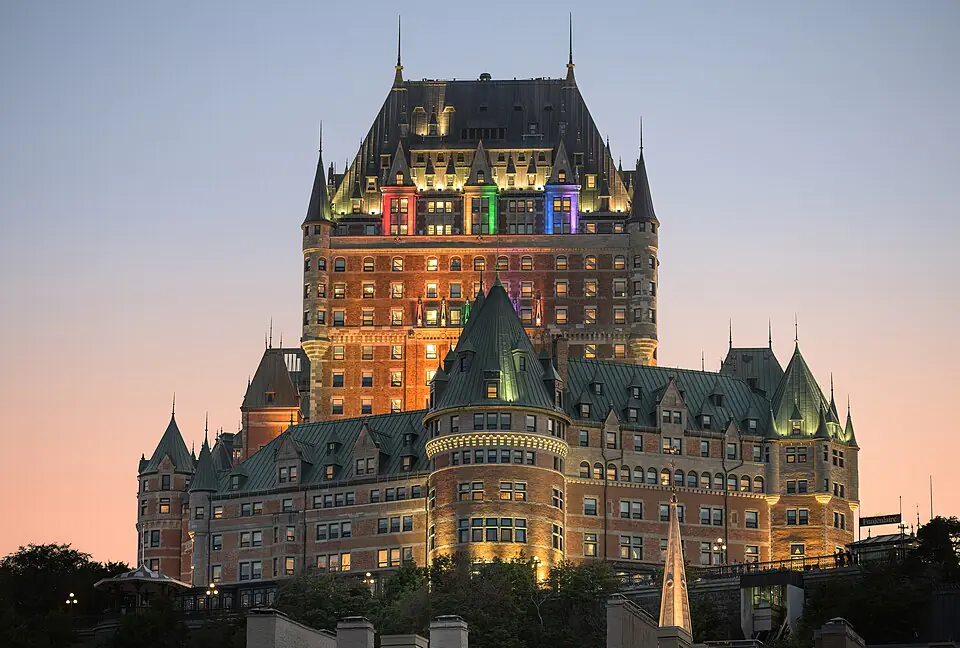
Quebec City
The Train Case, the Walled City
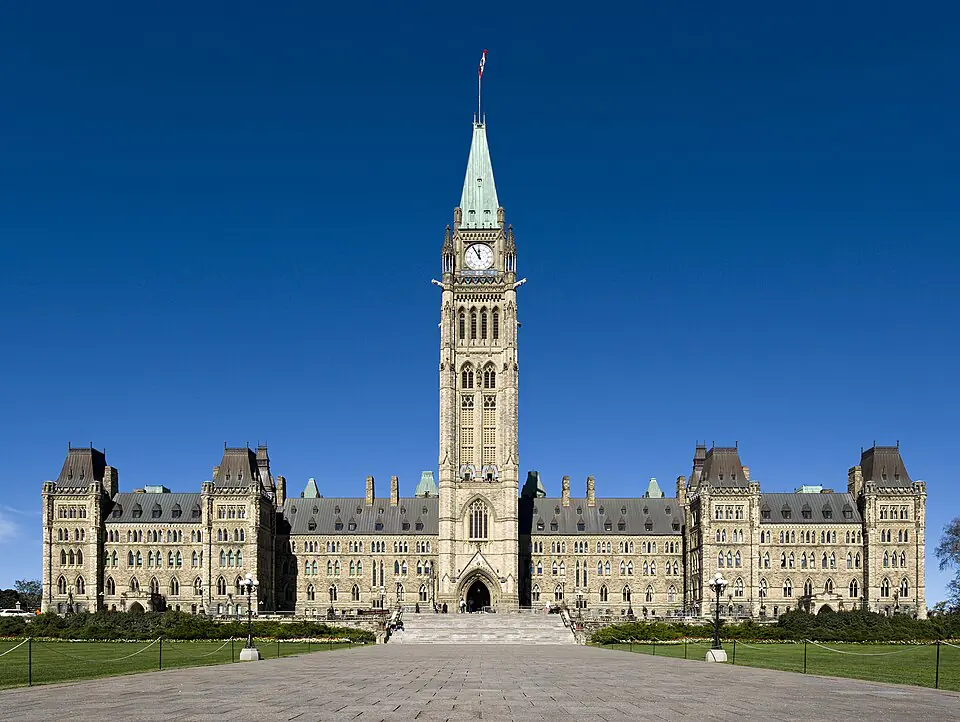
Ottawa
The Free Tour That Books Out, the Temporary Chambers
Quebec City — Read the Math First
Quebec City is the obvious headliner, so start with the numbers. It’s three hours away by car, coach, or VIA Rail — six hours of travel wrapped around five or six on site.
Those hours buy the only walled city north of Mexico: the Château Frontenac above the St. Lawrence, the stone lanes of Petit-Champlain (take the funicular down), the Plains of Abraham, and a French-ness that makes Montreal look relaxed about it. As a day trip it works the way Kyoto-from-Tokyo works — a genuine taste that will mostly convince you to come back properly.
Two versions beat the day trip. The overnight unlocks the city after the tour buses leave. And the winter trip — Carnaval from late January to mid-February, the ice hotel, and the toboggan run beside the Frontenac — is arguably the definitive Quebec. If your itinerary has a spare night, spend it there. If not, the long day is still worth having.
Read the full Quebec City day-trip page.
The Sugar Shacks — February Through April Only
When the sap runs, roughly late February through April, the cabanes à sucre open, and the tradition is total. The meal is a log-hall feast: eggs, ham, tourtière, fèves au lard, and oreilles de crisse — fried pork rinds whose name translates irreverently and accurately — everything drowned in the year’s syrup. It ends with tire d’érable: hot maple taffy poured onto snow and rolled onto sticks.
Two versions exist. Traditional family shacks ring the city within an hour’s drive; book ahead, because Quebec families book generations deep. Au Pied de Cochon’s Cabane, the celebrated restaurant’s maple-season outpost, is the gastronomic version, and its reservations disappear within minutes of release.
If your trip touches the season, put this first. It does not exist in July, and nothing substitutes.
The Eastern Townships
The Townships — Cantons-de-l’Est — are Quebec’s gentle country, ninety minutes southeast. Loyalists settled these rolling hills, which explains the Victorian villages with English names and French menus: Knowlton on Brome Lake, where duck is the local specialty; North Hatley on Lake Massawippi; and Magog under Mont Orford.
The circuit works like this. Stroll a village. Stop at a vineyard or two on the Route des Vins — Quebec’s wine country is strongest in whites, ciders, and ice cider, the apple answer to icewine and a legitimate discovery. Visit the abbey at Saint-Benoît-du-Lac, where the monks sell their own cheese and Gregorian vespers are open to visitors. Finish with a lakeside lunch.
Late September to early October is the peak — the fall color here is the region’s postcard. Summer lake days run a close second.
Read the full Eastern Townships day-trip page.
Mont-Tremblant & the Laurentians
The Laurentians, ninety minutes north, are Montreal’s mountain playground, and Tremblant is the capital: a pedestrian resort village — pastel, Quebecois-alpine, purpose-built and better than that sounds — at the foot of the province’s most complete mountain.
Winter is the marquee season: eastern Canada’s benchmark ski hill, plus dogsledding and ice climbing for non-skiers. Summer converts the same ground to the lake, the gondola-served summit, the luge runs, and canoeing in the adjacent Parc national du Mont-Tremblant, Quebec’s oldest park and now a certified dark-sky preserve.
The gentler version of the same direction: the lower Laurentian villages, Saint-Sauveur and Val-David, deliver the terrasse-and-gallery day at half the drive, and the P’tit Train du Nord rail trail turns the old railway into one of the best bike paths in Canada.
Read the full Mont-Tremblant day-trip page.
Ottawa — The Capital Reach
Ottawa, two hours west, makes a stately and underrated day.
Parliament Hill’s neo-Gothic buildings run free guided tours — book ahead, since same-day tickets are few and tours pause when the House sits. In summer, the Changing of the Guard performs the full ceremony on the lawn. The National Gallery sits behind its giant spider sculpture — Maman is the photo, and the Canadian and Indigenous galleries are the substance. Across the river, the Canadian Museum of History holds the world’s largest indoor collection of totem poles in its Grand Hall. ByWard Market covers lunch.
The seasonal aces are strong. In winter the Rideau Canal becomes the world’s largest skating rink — nearly eight kilometers of groomed ice, with BeaverTails pastry shacks as aid stations. In early May the Tulip Festival takes over, a standing thank-you from the Dutch royal family, and the story is as good as the flowers.
Read the full Ottawa day-trip page.
Old Montreal, the Mountain & the City
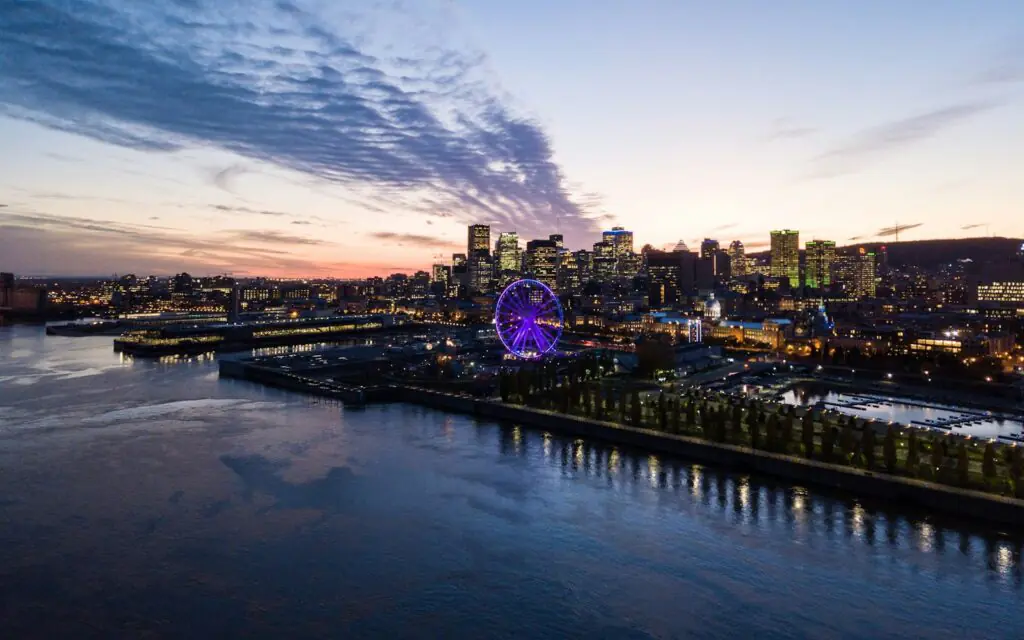
Old Montreal suits a walking tour: 17th-century lanes, the riverfront Old Port, and Notre-Dame Basilica, whose AURA light show inside the nave is the rare after-dark ticket worth its hype. Mount Royal — the Olmsted-designed mountain the city is named for — handles orientation: the Kondiaronk Belvedere at golden hour is the skyline photo, and summer Sunday afternoons add the Tam-Tams drum circle at the George-Étienne Cartier monument.
Plan to eat your way through the rest. The bagel rivalry between St-Viateur and Fairmount is a real civic argument — both are wood-fired, sweeter and denser than New York’s; order them hot and pick a side. Smoked meat means Schwartz’s; the line moves, and medium-fat is the order. Poutine is a food group here, and La Banquise serves 30 varieties around the clock. Jean-Talon Market covers the grazing. Mile End fills an afternoon with murals and cafés.
Winter visitors inherit the Underground City — 33 kilometers of climate-controlled passages — plus outdoor skating and Igloofest. The cold is real, and the city’s winter calendar is fuller for it.
Frequently Asked Questions
Can you do Quebec City as a day trip from Montreal?
Yes — three hours each way for five to six hours in the walled city. It works as a taste; the overnight (especially in winter, for Carnaval and the ice hotel) is the version that does it justice.
What is a sugar shack and when do they run?
Quebec’s maple-season institution — a log-hall feast drowned in fresh syrup, ending with taffy rolled on snow — running roughly late February through April. Book ahead; the famous ones fill fast.
Are the Eastern Townships worth visiting?
Yes — Quebec’s gentle wine-and-villages country, 90 minutes out: vineyards, ice cider, a Benedictine abbey with monk-made cheese, and lake towns. Fall color is the peak.
Is Ottawa worth a day trip from Montreal?
Yes — two hours for Parliament, the National Gallery, and the totem-pole Grand Hall, plus canal skating in winter and the Tulip Festival in May.
When is the best time to visit Montreal?
Every season has a program: summer festivals and terrasses, fall color in the Townships, and a winter the city genuinely embraces — sugar shacks begin in late February, and the Underground City handles the cold.